
Fixed Point Speed Cameras

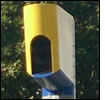
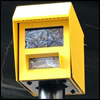
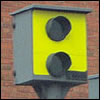
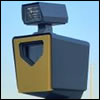
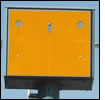
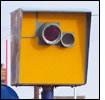
Gatso fixed point speed camera Fixed point speed cameras measure a vehicle's speed at a single location, unlike average speed cameras which calculate speed over a distance between two or more camera positions. When a vehicle passes a fixed point camera above the enforced speed threshold, the camera captures one or two photographs of the vehicle and its number plate, which are used as evidence for a Notice of Intended Prosecution.

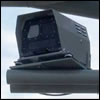
Fixed point cameras are the most common type of speed camera on UK roads. The majority are rear-facing, meaning they photograph the back of a passing vehicle including the rear number plate. Some types such as Truvelo and SpeedCurb are forward-facing and can photograph the driver. Most fixed point cameras are permanently installed in a roadside housing, though some such as HADECS 3 are mounted on motorway overhead gantries.

Select a camera type below to learn how it works and view locations across the UK.
Fixed Point Camera Types

Eleven fixed point speed camera systems are currently in use on UK roads. Further camera types may be added as new systems are deployed.

Gatso speed camera

Gatso

2,054 in database

The most common fixed speed camera on UK roads. Rear-facing, radar-triggered, with white road calibration markings.

Read the Gatso guide →
Truvelo speed camera

Truvelo

309 in database

Forward-facing fixed camera using piezo sensors buried in the road surface. Can photograph the driver's face and front number plate.

Read the Truvelo guide →
Truvelo D-Cam speed camera

Truvelo D-Cam

60 in database

Digital evolution of the Truvelo, forward-facing with infra-red flash for 24 hour operation.

Read the Truvelo D-Cam guide →
HADECS 3 speed camera

HADECS 3

42 in database

Motorway gantry-mounted camera used within variable speed limit sections. Can cover multiple lanes simultaneously with no visible flash.

Read the HADECS 3 guide →
SpeedCurb speed camera

SpeedCurb

76 in database

Forward-facing fixed camera with piezo road sensors. Used on urban roads and at junctions.

Read the SpeedCurb guide →
Peek speed camera

Peek

23 in database

Older generation fixed point camera, similar in operation to the Gatso. Now largely superseded by newer systems.

Read the Peek guide →
Redflex speed camera

Redflex

1 in database

Forward-facing digital camera system used for both speed and red light enforcement.

Read the Redflex guide →
DS2 speed camera

DS2

Fixed point camera used primarily in Northern Ireland.

Read the DS2 guide →
Watchman speed camera

Watchman

2 in database

Compact fixed point camera typically pole-mounted on urban roads.

Read the Watchman guide →
Siemens SafeZone speed camera

Siemens SafeZone

Combined speed and red light enforcement camera used at signalised junctions.

Read the SafeZone guide →
AECOM speed camera

AECOM

Fixed point camera used within average speed enforcement zones alongside other camera types.

Read the AECOM guide →

Fixed vs average speed cameras

Fixed point cameras measure speed at a single location. If you travel above the speed threshold as you pass the camera, a photograph is taken. Slowing down before the camera and accelerating afterwards does not affect the reading. Average speed cameras work differently - they measure your speed over a distance, so maintaining a consistent speed throughout the monitored zone is the only safe approach.

For a complete overview of all UK speed camera types, visit our speed camera types guide.

Last updated: