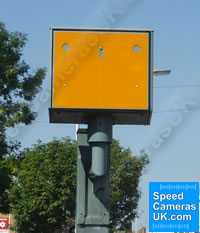
Answers to the most commonly asked questions from UK motorists about speed cameras - covering how cameras detect speeding, what happens when a camera flashes, road markings and photographic evidence, the Notice of Intended Prosecution process, and general queries about UK speed camera law.
SpeedCamerasUK.com does not operate any UK speed cameras and has no connection to UK Government, the Police, or any Safety Camera Partnership. We are unable to advise on individual speeding cases or the progress of a speeding offence. If you have a question not answered below, please use our contact form.
Camera detection
Can a speed camera catch vehicles on both sides of the road at the same time?
Most fixed-point cameras such as Gatso and Truvelo are calibrated for one direction of travel at a time. Some cameras can be periodically turned to face the opposite direction, but a single camera cannot capture speeding vehicles in both directions simultaneously. Two separate cameras would be required to cover both lanes at once.
Can a fixed speed camera be sited on the opposite side of the road to the traffic it targets?
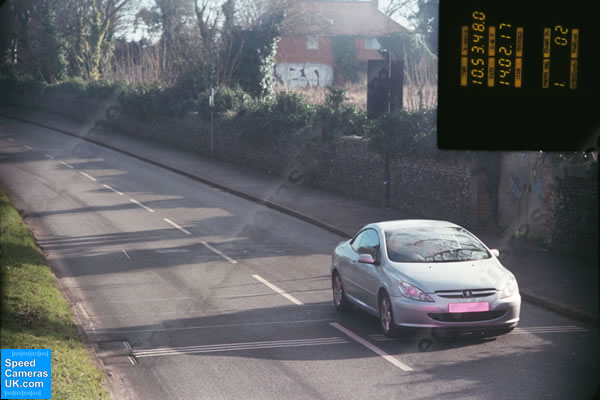
Yes. A fixed speed camera can be sited on either the nearside or offside of the road and still be calibrated to target vehicles in the opposite lane. The type of camera and its specific calibration determine which lane it enforces. If you are unsure which type of camera you passed, our camera types guide shows the most common UK speed camera designs.
An oncoming vehicle triggered the camera on my side of the road when I was under the speed limit - will I be fined?
No, not if your vehicle was within the speed limit. Speed cameras record photographic evidence of the vehicle that triggered them. Where white road markings are present, they confirm the speed of each passing vehicle as a secondary measure. If you were not speeding, the photographic evidence will show that.
Do all speed cameras face rearward?
No. Rear-facing cameras such as Gatso photograph the back of the vehicle, while forward-facing cameras such as Truvelo, Truvelo D-Cam, SPECS, and VECTOR photograph the front, capturing an image of the driver as well as the registration plate. The direction a camera faces depends on the specific type and how it has been installed at that location.
Can a motorcyclist travelling towards a forward-facing camera be prosecuted?
In practice, motorcycles are difficult to prosecute using forward-facing cameras because they carry their registration plate at the rear. Cameras such as SPECS, VECTOR, and Truvelo photograph the front of the vehicle, so the plate of an approaching motorcycle would not be visible. Rear-facing cameras such as Gatso can capture motorcycles travelling away from the lens in the normal way.
Flashing and triggering
Does a speed camera always flash when you have been caught speeding?
Not always. Whether a camera produces a visible flash depends on the type. Gatso cameras use a visible flash, but in bright daylight conditions it may not be obvious to the driver. Some cameras - including many SPECS and VECTOR installations - use infrared illumination and produce no visible flash at all. You should not assume that the absence of a visible flash means you have not been caught.
I passed a camera well within the speed limit but it still flashed - why?
Speed cameras can occasionally flash for reasons other than a speeding offence. A fault, a power surge, or a vehicle in an adjacent lane triggering the radar can all cause an unexpected flash. A flash alone is not confirmation that you have been caught. If you were within the speed limit you should not receive a Notice of Intended Prosecution.
Is it illegal to flash headlights to warn other drivers about speed cameras?
Yes. Flashing headlights to warn other motorists of a speed camera or police presence is an offence under the Road Traffic Act. Police will warn or prosecute drivers they observe doing this.
The camera flashed once, not twice - does that mean I was not caught?
Gatso cameras are designed to take two photographs in quick succession, producing a double flash. However, in bright daylight the flash may not be clearly visible. A single flash or no visible flash does not confirm that the camera did not fire or that no image was captured. If you were over the speed limit when passing the camera, you should not assume you are in the clear.
Evidence and road markings
What are the white painted lines on the road near a speed camera for?
The white lines serve as a secondary speed-measurement tool. When a camera such as a Gatso takes two photographs in quick succession, the images show how far a vehicle has travelled relative to the markings, confirming the speed recorded by the camera's radar. Lines on both sides of the road can indicate that the camera is periodically turned to face the opposite direction, or that the far-side markings serve purely as a deterrent to traffic in both directions.
Are the white road markings required for a prosecution to succeed?
Not always. For cameras that use them such as Gatso and Truvelo, the lines act as secondary confirmation of the speed recorded by the camera's primary technology. Prosecutions have proceeded where lines were worn or absent, though clear markings strengthen the evidence considerably. Cameras such as SPECS and VECTOR do not use white road markings at all.
I have received a speeding photograph but the calibration lines on the road are barely visible - does this matter?
The white lines are a secondary measure. The camera's primary detection technology provides the speed reading that triggered it. Worn or barely visible lines may weaken the secondary evidence but do not automatically invalidate the prosecution. If you believe the evidence against you is inadequate, seek advice from a motoring solicitor.
Two vehicles were passing a camera at the same time and it flashed - how does it know which one was speeding?
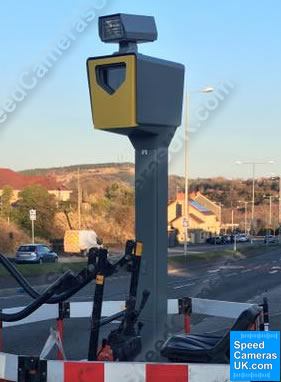
Fixed-point cameras use their built-in detection technology to record the speed of the triggering vehicle, and the photographs show that vehicle's position relative to the white road markings. The photographic evidence identifies which vehicle was speeding at the time. If your vehicle was within the speed limit, the road markings and images will confirm that. The pictured camera is a Redflex dual red light and speed camera - one of many camera types in use on UK roads.
How does the police access photographs and data from a speed camera?
It depends on the camera type. Older wet-film Gatso cameras require a technician to visit and collect the film for development. Digital Gatso cameras store images on a hard drive that is downloaded during maintenance visits. Network-connected systems such as SPECS and VECTOR transmit data in real time to the operating authority, with no need to physically attend the camera location.
NIPs and prosecution
How long do I have before receiving a Notice of Intended Prosecution?
A Notice of Intended Prosecution must be sent to the registered keeper of the vehicle within 14 days of the alleged offence. If one is not received within that period, the prosecution may not be able to proceed, though there are some exceptions. Our NIP guide explains the process in detail.
How many penalty points will I receive if caught speeding by a camera?
It depends on your speed above the limit, whether it is a first offence, and the policy of the local Police force or Safety Camera Partnership. A modest offence typically results in a fixed penalty of three points and a fine, or an offer to attend a speed awareness course. Higher speeds may result in a court hearing with more points and a larger fine. See our speeding fines guide for current penalty thresholds.
Does a police officer have to issue a speeding ticket in person, or can it come by post?
A Notice of Intended Prosecution is commonly sent by post to the registered keeper of the vehicle. A police officer may stop and issue a ticket at the roadside, but postal NIPs are the standard process for speed camera offences and are equally valid in law.
Can a speed camera detect whether a driver is using a mobile phone?
Speed cameras are designed to record vehicle speed, not to detect mobile phone use specifically. However, forward-facing cameras such as Truvelo D-Cam capture an image of the driver at the time of a speeding offence, and these photographs have in some cases revealed drivers using a phone at the same time.
How can I find out if I have been caught by a speed camera?
There is no website or phone number you can check to find out whether a camera caught you. If a speeding offence was recorded, a Notice of Intended Prosecution will be sent by post to the registered keeper of the vehicle within 14 days of the alleged offence. If no NIP arrives within that period, in most cases no further action will follow.
General questions
Is there a minimum legal distance between speed cameras?
There is no legal minimum distance between speed cameras. Multiple cameras can be sited within a short distance of each other. The only practical constraints are the budget of the local authority or Police force and available mounting locations.
How can I find out when a speed limit was changed on a specific road?
Your local council or highway authority should be able to confirm when a speed limit was changed on a particular stretch of road. Speed limit changes are made by Traffic Regulation Order, which is a matter of public record. A Freedom of Information request to the relevant authority can also provide this information.
Can speed cameras be installed on any road, including 20mph residential streets?
Yes. Speed cameras can be sited on any class of road in the UK, including 20mph residential streets, rural roads, and motorways. The speed threshold at which the camera triggers is set to match the local speed limit enforced at that location. To aid your driving, consider a GPS speed camera detector that alerts you to camera locations on all road types.
I saw something flash by the side of the road - is it a speed camera?
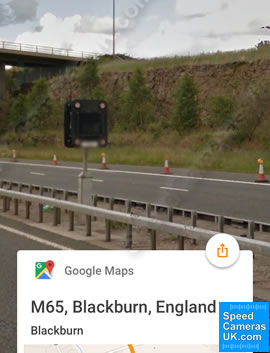
Not every roadside device is a speed camera. Motorway matrix signs, traffic signal equipment, street lighting, and other road infrastructure can look similar and may produce flashes or flashing lights. The device pictured here - with a black board and orange lights in each corner - is a motorway variable message sign, not a speed camera. Our speed camera types guide contains images of the most common UK camera types to help you identify what you saw.
Got a speed camera question not answered above? Use our contact form to send it to us. Please note we cannot provide legal advice or comment on individual speeding cases.
Camera-specific questions and answers
For questions about a specific type of speed camera, visit the relevant Q&A page:
Disclaimer: Answers published on SpeedCamerasUK.com represent the views of the site and its contributors. SpeedCamerasUK.com is not connected to any UK Police force, local authority, or Safety Camera Partnership.


 Answers to the most commonly asked questions from UK motorists about speed cameras - covering how cameras detect speeding, what happens when a camera flashes, road markings and photographic evidence, the Notice of Intended Prosecution process, and general queries about UK speed camera law.
 Yes. A fixed speed camera can be sited on either the nearside or offside of the road and still be calibrated to target vehicles in the opposite lane. The type of camera and its specific calibration determine which lane it enforces. If you are unsure which type of camera you passed, our
  Fixed-point cameras use their built-in detection technology to record the speed of the triggering vehicle, and the photographs show that vehicle's position relative to the white road markings. The photographic evidence identifies which vehicle was speeding at the time. If your vehicle was within the speed limit, the road markings and images will confirm that. The pictured camera is a
  Not every roadside device is a speed camera. Motorway matrix signs, traffic signal equipment, street lighting, and other road infrastructure can look similar and may produce flashes or flashing lights. The device pictured here - with a black board and orange lights in each corner - is a motorway variable message sign, not a speed camera. Our