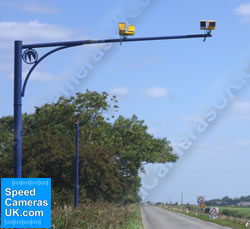
 SPECS average speed camera systems use Automatic Number Plate Recognition (ANPR) digital technology combined with infrared illumination to record and track vehicles across a defined stretch of road. Each SPECS camera is fitted with infrared illuminators, allowing the system to operate around the clock in all weather and lighting conditions. Unlike fixed-point cameras that measure speed at a single location, SPECS cameras work in pairs or groups - positioned at least 200 metres apart - and calculate a driver's average speed across the distance between them.
SPECS zones are found on motorways, dual carriageways and A-roads across England and Scotland, with the system most commonly enforcing 40mph limits in managed zones. Every SPECS zone is permanently active - there is no film to run out and no limit to the number of vehicles it can record. Drivers caught by SPECS receive the standard UK speeding penalty: a £100 fixed penalty fine and 3 penalty points, with more serious excesses potentially resulting in a court summons.
The growth in SPECS usage has been dramatic. In 2013, approximately 127 miles of UK roads were monitored by average speed cameras. Research obtained by the BBC's The One Show found that by 2016, 51 permanently managed stretches of road covered around 263 miles - more than double in just three years. This expansion reflects falling installation costs: a SPECS zone that cost around £1.5 million per mile in the early 2000s had fallen to approximately £100,000 per mile by 2016.
What is a SPECS speed camera?
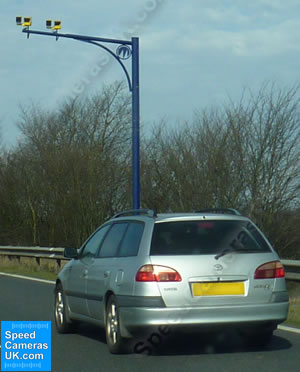
A SPECS camera is a tall, distinctive yellow unit typically mounted on a yellow pole or overhead gantry above the carriageway. SPECS gantry installations can monitor up to four lanes of traffic simultaneously, making them particularly suited to motorways and dual carriageways. Roadside pole-mounted versions are used on A-roads and other single and dual carriageway routes.
Each camera housing contains the ANPR imaging system and infrared illuminators. Because infrared lighting is used rather than a visible flash, SPECS cameras operate completely silently and without any visible light output - drivers have no way of knowing whether the camera has recorded their vehicle at any given moment.
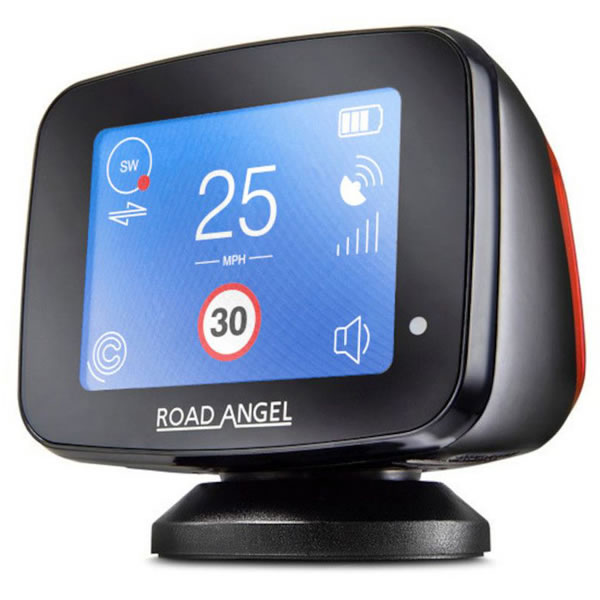
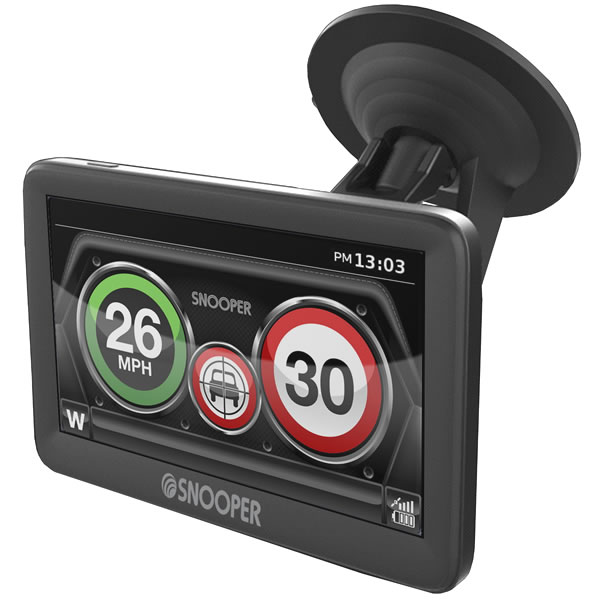
SPECS cameras cannot be detected by radar or laser speed camera detectors, because they do not emit radar or laser signals. Only a GPS speed camera detector - which uses a pre-loaded database of known camera locations - will alert you to an upcoming SPECS zone.
How do SPECS speed cameras work?
SPECS speed camera systems are commonly used to enforce speed limits on motorways, dual carriageways and A-roads. Cameras are positioned at the entry and exit points of a managed speed control zone, with additional cameras at intervals within longer zones.
As your vehicle passes the first camera, ANPR technology reads your number plate and records the precise date and time. When your vehicle passes the next camera in the zone, the same information is captured again. The system then calculates the time elapsed and the distance between the two cameras to determine your average speed. If that average exceeds the posted speed limit, a speeding notice is automatically generated using your number plate data and the photographic records from both cameras.
Because the system tracks average speed across the entire zone - not just at the point where each camera is sited - it is not possible to avoid prosecution simply by braking at the camera. A driver who travels at 80 mph between two cameras and brakes to 50 mph at the second camera will still register an excessive average speed across the full distance.
Do you have a question about SPECS average speed cameras? You can read UK motorists' SPECS questions and answers and also submit your own unanswered question via our online form. Alternatively, read UK drivers' SPECS average camera comments.
Can SPECS cameras catch you if you slow down at them?
Yes - and this is one of the most important things to understand about SPECS and all average speed camera systems. Many drivers who are used to fixed-point cameras such as the Gatso instinctively brake at the camera itself and then accelerate away, not realising that SPECS records their average speed across the full length of the zone. A motorist who has been travelling significantly above the limit between cameras cannot cancel out that excess speed simply by slowing momentarily at each post.
One UK motorist driving through a 40mph SPECS zone on the A40 reported being overtaken by almost every car and van he encountered - drivers were still braking only at the camera, unaware that their average speed across the entire zone was what was being measured.
Do SPECS cameras flash?
No. SPECS cameras use infrared illumination to capture images, producing no visible flash whatsoever. They operate completely silently and without any light output that a driver could perceive. This means there is no visual cue - no flash, no beep, no audible signal - to indicate that the system has recorded a speeding vehicle. The first notification a speeding driver receives is typically the Notice of Intended Prosecution (NIP) arriving in the post.
SPECS vs Gatso: fixed vs average speed cameras
SPECS and Gatso are two of the most widely deployed speed camera systems in the UK, but they work in fundamentally different ways. The Gatso measures speed at a single point; SPECS measures average speed across a distance. Here is how they compare:
| Feature | SPECS (average speed) | Gatso (fixed point) |
|---|---|---|
| How speed is measured | Average across the whole zone | Instantaneous at one point |
| Detection technology | ANPR + time calculation | Radar |
| Visible flash | No - infrared only, silent | Yes - bright visible flash |
| Can braking at camera help? | No - average is already calculated | Partially - slowing at camera may avoid trigger |
| Detectable by radar/laser | No - GPS detector only | Yes - radar detectors will alert |
| Typical locations | Motorways, A-roads, roadworks | Urban 30mph roads |
Both systems issue the same standard penalty if you are caught speeding: a £100 fine and 3 penalty points.
No film: always active
Unlike older fixed cameras such as the original wet-film Gatso, SPECS cameras do not use film. There is no limit to the number of speeding vehicles they can record, and no need for periodic visits by technicians to collect or develop film. Your number plate, date and time stamp are stored digitally by each camera in the zone. If your calculated average speed between cameras exceeds the limit, a speeding notice is issued automatically without any manual intervention. SPECS zones are therefore always active - there is no such thing as a SPECS camera that has run out of capacity.
SPECS average speed check zones across the UK
 SPECS average speed cameras were originally deployed in a relatively small number of counties, but their use has expanded significantly across England and Scotland. They are now the standard approach for speed enforcement in motorway roadworks, where temporary SPECS systems keep traffic moving safely through construction zones, and increasingly on A-roads where sustained speeding between fixed points is a problem.
Cambridgeshire was an early adopter, replacing fixed-point Gatso and Truvelo cameras along the A14 with a SPECS speed-controlled zone. On a particularly rural and dangerous stretch of road in the county, a SPECS zone was installed in July 2010 to maintain a 50 mph average along the entire section rather than just at a camera location. Lincolnshire has also replaced fixed Gatso cameras on the A15 south of Lincoln with a three-camera VECTOR average speed check zone - the newer compact sibling of SPECS from the same manufacturer.
The longest average speed camera zone in the UK is on the A9 in Scotland between Dunblane and Inverness, covering some 99 miles - meaning a driver must maintain a legal average speed for almost the entire journey between two major Scottish cities to avoid prosecution. The shortest known zone is on Trewennack in Cornwall, measuring just under half a mile.
SPECS vs VECTOR: what is the difference?
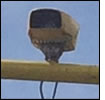 In 2014, a newer average speed camera named VECTOR was launched by Vysionics - the same company behind SPECS - using the same ANPR technology. The two systems work identically in principle but differ in physical size, installation flexibility, and the range of offences they can enforce.
VECTOR cameras are considerably more compact than SPECS units, allowing them to be mounted on existing street furniture such as lamp columns and traffic signals without requiring dedicated gantries or poles. VECTOR can also enforce red light violations, bus lane contraventions, yellow box junction offences, tolling and congestion charging in addition to average speed - capabilities that SPECS does not offer. To learn more about VECTOR average speed cameras click here.
SPECS average speed camera locations
What is your view and experience with SPECS speed cameras in the UK? Tell us and read more SPECS average speed camera comments. Alternatively, if you have a question about SPECS average speed cameras, please see our SPECS speed camera Q&A page.
Want to know where the UK's SPECS average speed cameras are located before you drive? Here at SpeedCamerasUK.com we have a UK speed camera location database covering thousands of fixed and average speed camera sites. This database also includes Gatso, SpeedCurb, Truvelo, Truvelo D-Cam, Peek, Traffic Light speed cameras and more. Read more about all speed camera types.
Search SPECS camera locations in our database ->
Penalties for SPECS average speed camera offences
Being caught speeding by a SPECS camera carries the same penalties as any other speed camera offence in the UK:
- £100 fixed penalty fine
- 3 penalty points added to your driving licence
- An offer to attend a speed awareness course in some cases, as an alternative to points
More serious offences - where the average speed is significantly above the posted limit - may result in a court summons rather than a fixed penalty notice, potentially leading to higher fines or a driving ban. A Notice of Intended Prosecution (NIP) will be sent by post and will carry the relevant code: SP10, SP20, SP30, SP40 or SP50. For full details read more about speeding fines.
One motorist who disputed a SPECS offence wrote about the legal challenges involved: they had been prosecuted for an alleged 36 mph in a 30 mph zone at Henlade on the A358, yet their own photographic evidence suggested the speed over the white lines was below the declared prosecution threshold of 35 mph. At the pre-trial hearing they were informed that the photographic evidence was inadmissible and that full reliance would be placed on the underground piezo cell data which showed 36 mph. They were also warned that if found guilty, the cost of the prosecution's expert witness evidence could reach £20,000. This case illustrates that challenging a SPECS prosecution is extremely difficult and costly, and underlines the importance of maintaining a legal average speed throughout any managed zone. For official UK government guidance on speeding penalties visit GOV.UK speeding penalties.