
 The Peek speed camera is a rear-facing radar-based speed enforcement camera produced by Peek Traffic, a company now part of Teledyne FLIR following a series of acquisitions. Functionally very similar to the dominant Gatso, the Peek camera uses radar technology and produces a visible flash when triggered. Its most recognisable feature is the two round lenses on the front of the camera housing - quite different from the Gatso's single rectangular yellow box.
Peek cameras never established themselves widely on UK roads. With only 23 known locations in our database, they represent one of the rarest camera types in operation. They are found exclusively in built-up urban areas, with Leicestershire accounting for 43% of all known UK Peek camera sites. The remaining sites are spread across a small number of other counties. 78% of known Peek locations enforce 30mph speed limits.
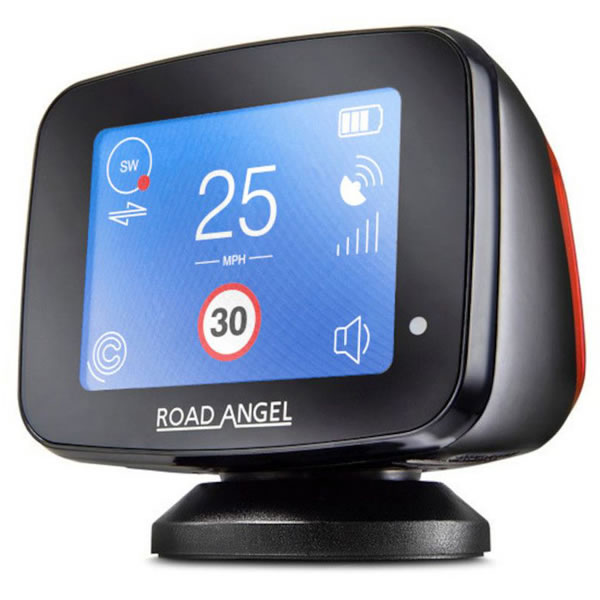
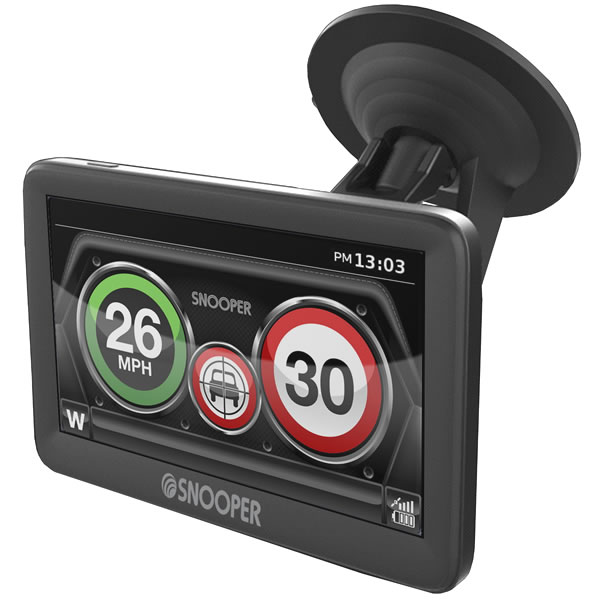
Like the Gatso, Peek cameras are detectable by a radar detector - both use radar technology that emits a beam which can be picked up by a detector device. This contrasts with cameras such as the Truvelo and SpeedCurb, which use piezo sensors in the road and cannot be detected by radar. However, for comprehensive protection on routes that may include multiple camera types, a GPS speed camera detector offers the most reliable advance warning.
How does a Peek speed camera work?
A Peek speed camera uses radar technology to measure the speed of vehicles passing it on the road. A radar beam is directed across the carriageway and continuously monitors vehicle speeds. When a vehicle exceeds the posted speed limit, the camera is triggered automatically and takes two photographs in quick succession.
The first photograph captures the vehicle at the point of detection, recording its position on the road. The second, taken a fraction of a second later, confirms the offence by showing how far the vehicle has travelled. Both images record the vehicle's number plate and the date, time and speed at the point of capture.
Because the Peek is rear-facing, the camera faces away from oncoming traffic - it only catches vehicles that have already driven past it, travelling away from the camera. This is the same arrangement as the Gatso, and means a Peek camera on the opposite side of the road - pointing towards you - cannot record or prosecute you for speeding.
White lines are painted on the road surface near every Peek camera location. These serve as a secondary speed verification method: by measuring how far a vehicle has moved between the two photographs relative to the line markings, enforcement officers can independently confirm the radar reading. This dual-measurement requirement is a legal condition for Home Office Type Approved speed camera evidence in the UK.
How to identify a Peek speed camera

The most distinctive feature of a Peek speed camera is the two round lenses on the front of the camera housing. This twin circular lens configuration immediately sets it apart from the Gatso, which has a single rectangular yellow housing with one lens aperture. If you see a yellow roadside camera with two round lenses facing towards the road, it is almost certainly a Peek.
Other identifying characteristics include:
- Yellow casing - required since a 2001 change in the law mandating visible yellow paintwork for all UK speed cameras
- Pole-mounted at the side of the road, at a similar height and position to a Gatso
- The camera body is compact and box-like, but with the distinctive twin circular lenses on the front face
- White road markings painted near the stop line or point of detection nearby
- Positioned to face away from traffic - the lenses point in the direction vehicles are travelling, not towards approaching drivers
Peek cameras are not as tall or bulky as some other camera types. Because they are relatively uncommon, many drivers have never encountered one. If you are unsure whether a camera is a Peek or a Gatso, the twin lens arrangement is the quickest way to tell them apart.
Peek vs Gatso: how do they compare?
The Peek and Gatso are functionally very similar - both are rear-facing, radar-based speed cameras that produce a visible flash. The main differences are the manufacturer, the camera appearance, and their relative prevalence on UK roads.
| Feature | Peek | Gatso |
|---|---|---|
| Manufacturer | Peek Traffic (Teledyne FLIR) | Gatsometer BV |
| Detection method | Radar | Radar |
| Facing direction | Rear-facing | Rear-facing |
| Flash | Yes - visible flash | Yes - visible flash |
| Appearance | Two round lenses on front | Single rectangular yellow box |
| Road markings | Yes - white lines | Yes - white lines |
| Radar detector | Yes - detectable | Yes - detectable |
| UK prevalence | Rare (23 known sites) | Very common (2,054 sites) |
Both cameras issue the same standard penalty if you are caught speeding: a £100 fine and 3 penalty points. The Peek can also be configured as a red light camera - in this mode it uses piezo sensing loops embedded in the road surface to trigger the camera rather than radar.
Where are Peek cameras used?
Peek speed cameras are found exclusively in built-up urban areas and are among the rarest fixed speed camera types in the UK. Our database records 23 known Peek sites, though the actual total may be slightly higher given the difficulty of identifying and submitting these relatively uncommon cameras.
Leicestershire is by far the most significant county for Peek camera deployments, accounting for approximately 43% of all known UK sites - around 10 of the 23 recorded locations. A small number of additional sites are recorded in Greater London and Berkshire, based on original deployment records and community-submitted data.
The Peek camera never achieved widespread adoption on UK roads. The Gatso became the dominant radar-based camera across most of England, Wales and Scotland, leaving Peek cameras as a largely regional presence concentrated in Leicestershire. This limited footprint is reflected in the small database count - it does not indicate that Peek cameras are being retired, but rather that they were rarely installed in the first place.
If you know of a Peek camera location not currently in our database, you can submit a new camera location to help keep our records up to date.
Search Peek camera locations in our database ->
Penalties for Peek speed camera offences
Being caught by a Peek speed camera carries the same penalties as any other fixed speed camera in the UK:
- £100 fixed penalty fine
- 3 penalty points added to your driving licence
- An offer to attend a speed awareness course in some cases, as an alternative to points
Depending on the road's speed limit and your recorded speed, a court summons may be issued instead of a fixed penalty notice. This would arrive alongside a Notice of Intended Prosecution (NIP) with the relevant code: SP10, SP20, SP30, SP40 or SP50. For more information read our speeding fines guide. For official UK government guidance visit GOV.UK speeding penalties.